
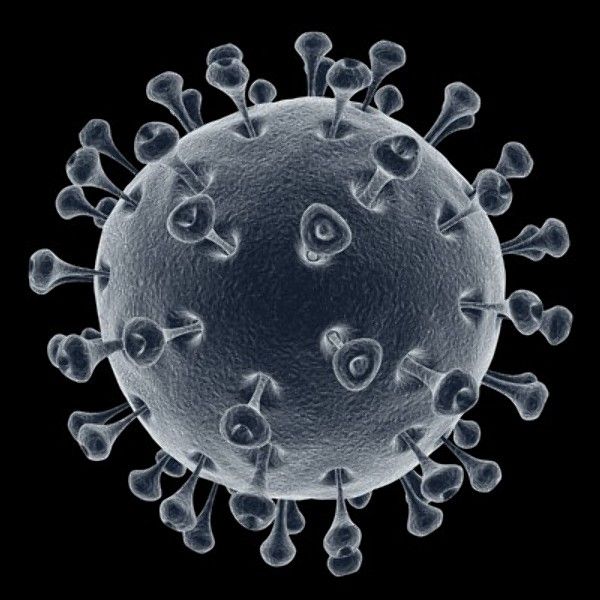
What are coronaviruses?
Coronaviruses are a family of viruses that originate in animals before making the jump to humans. Seven, including the new virus, have been found in humans, with four causing only mild, common cold-like symptoms.
But two – Middle East respiratory syndrome (Mers) and severe acute respiratory syndrome (Sars) – are much more severe, having killed more than 1,500 people between them.
Around 15 to 20 per cent of hospital cases are severe and the current death rate stands at about two per cent. This is quite high but it may be because authorities are not aware of milder cases of the disease.
What are the symptoms of the new coronavirus?
According to the NHS and the WHO, symptoms of the Wuhan coronavirus usually include:
- Feeling tired
- Difficulty breathing
- A high temperature
- A cough and/or sore throat
These symptoms are similar to other respiratory diseases including the common cold, itself a type of coronavirus. So if you have symptoms consider the following:
- Have you travelled in the last two weeks to a high risk area?
- Have you been in contact with someone who has?
- When should I seek medical help?
- If you have travelled to Wuhan City in China (or another significantly affected area) in the last two weeks, or have been in contact with someone who has and feel unwell, call NHS 111 for advice now.
- Do NOT go straight to a doctor’s surgery or hospital as, if you have the virus, you risk spreading it to others.
- How are coronaviruses transmitted?
- Like other coronaviruses – such as the common cold – the virus is spread via droplets when a person coughs or sneezes. It can also be spread when someone touches a contaminated surface such as a door handle.
- Hospitals are also key locations for “super spreading” events – when a single patient infects many people. When patients arrive in hospital with vague respiratory symptoms health workers may not know they need to take special precautions such as wearing masks or keeping them away from other patients.
- The outbreak originates from animals and the source is thought to be a seafood market in Wuhan which also traded in other live animals such as marmots and bats.
- How can I protect myself from catching the new coronavirus?
- Hand hygiene is the first and most important line of defence.
- Like cold and flu bugs, the new virus is thought to be spread via droplets when a person coughs or sneezes. The droplets land on surfaces and are picked up on the hands of others and spread further. People catch the virus when they touch their infected hands to their mouth, nose or eyes.
- It follows that the single most important thing you can do to protect yourself is to keep your hands clean by washing them frequently with soap and water or a hand sanitising gel.
- Also try to avoid touching your mouth, nose or eyes with unwashed hands – something we all do unconsciously on average about 15 times an hour.
- Other tips include:
- Carry a hand sanitiser with you to make frequent cleaning of hands easy
- Always wash your hands before you eat
- Be especially careful in busy airports and other public transport systems about touching things and then touching your face
- Carry disposable tissues with you and always cover your nose and mouth when you cough or sneeze before disposing of the tissue carefully (catch it, bin it, kill it)
- Do not share snacks from packets or bowls that others are dipping their fingers into
- Avoid shaking hands or cheek kissing if you suspect viruses are circulating
- Regularly clean, not just your hands, but commonly used surfaces and devices you touch or handle
Is it just droplets from the nose and mouth that spread the new virus?
Probably not, but they are by far the most common risk.
The NHS is advising doctors that the virus is also likely to be contained in other bodily secretions including in blood, faeces and urine.
Here again, hand and surface hygiene is the key.
How could it affect my family, especially children?
Children are a major vector for the spread of droplet-based viruses because they interact physically so much with each other and are not the best at keeping themselves clean.
However, you can greatly lower the risk that children pose of spreading disease by:
- Explaining to them how germs spread and the importance of good hand and face hygiene
- Keeping household surfaces clean, especially kitchens, bathrooms and door handles
- Using clean cloths to wipe surfaces, so you don’t transfer germs from one surface to another
- Giving everyone their own towel and making sure they know not to share toothbrushes etc
- Keep your home dry and airy (bugs thrive in musty environments)
What about face masks, do they work?
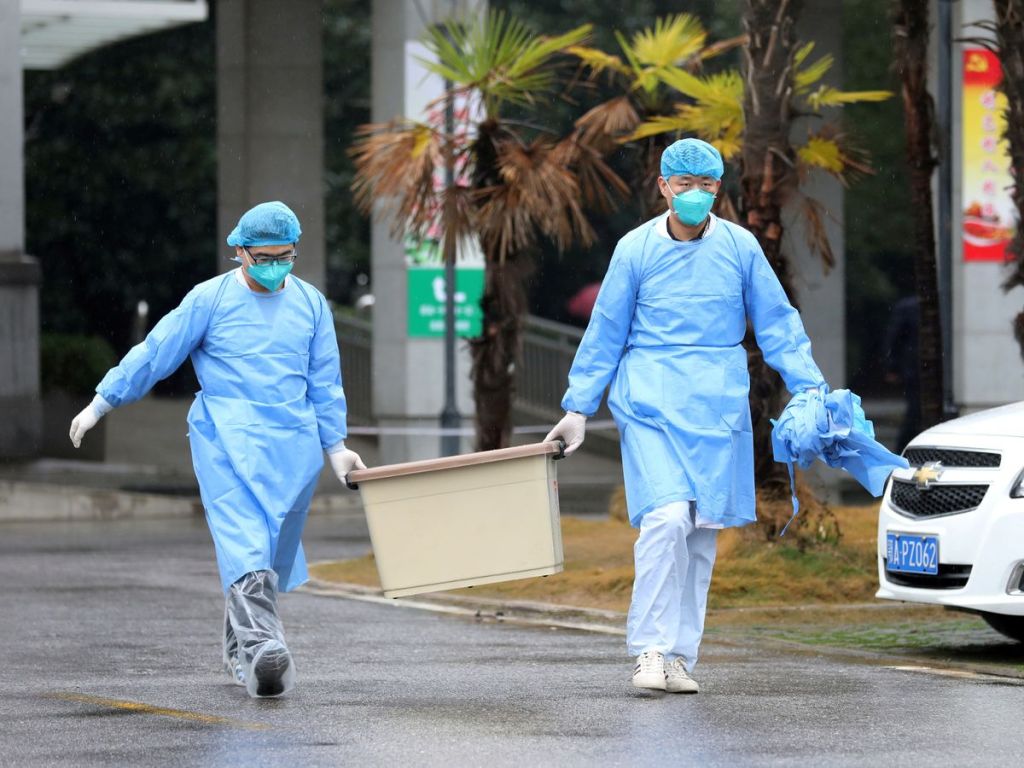
Paper face masks are not generally recommended by the NHS for ordinary citizens – with good reason.
They are ill-fitting and what protection they might initially provide soon expires. Worse, over time they can become moist providing the perfect environment for germs to thrive in. They also become a hazard for others if carelessly discarded.
However, an exception to this would be if you were displaying symptoms such as coughing or sneezing – then a mask may help prevent you spreading the virus to others in busy locations.
In hospitals, healthcare workers treating patients with the virus will wear masks but these are specialist devices and there are strict protocols they must follow to ensure they remain safe and effective.
Can the new coronavirus be treated?

There is no simple cure for for the new coronaviruses – just as there is no cure for the common cold.
In more severe cases, the virus causes pneumonia, an infection that inflames the lungs and causes breathing difficulty. This is where the main danger lies.
Viral pneumonia cannot be treated with antibiotics and, for the moment at least, there are no antiviral drugs for this particular virus.
Instead doctors focus on supporting patients’ lung function as best they can. They may be given oxygen or placed on a breathing machine (ventilator) in the most severe cases.
Peter Horby, professor of emerging infectious diseases and global health, at the Centre of Tropical Medicine and Global Health at the University of Oxford, said the disease bore all the signs of a “classic viral pneumonia”.
“There are currently no antivirals for this, so care is just supportive, supporting the lungs and other organs until patients recover,” he said.
Other symptoms such as fever and discomfort will be treated using common drugs such aspirin and ibuprofen.
 healthfittips.fitness.blog